Alan.
An artist, a translator,
a listener, and an explorer.
A student exploring psychology
through creative practice.
Ziyang Huan / 桓子阳
About me
I am a student interested in psychology who works across music, art, speech, debate, and journalism. I am keen to explore the moment a feeling becomes a behavior, a behavior becomes a label, and a label becomes something we think we understand. Through my exploration, I hope to stop and ponder that sequence—with a song, an artwork, an exhibition, or a question asked at the right time.
The Sound of Resonance
Happy Yellow House
From an amateur to the front of the stage
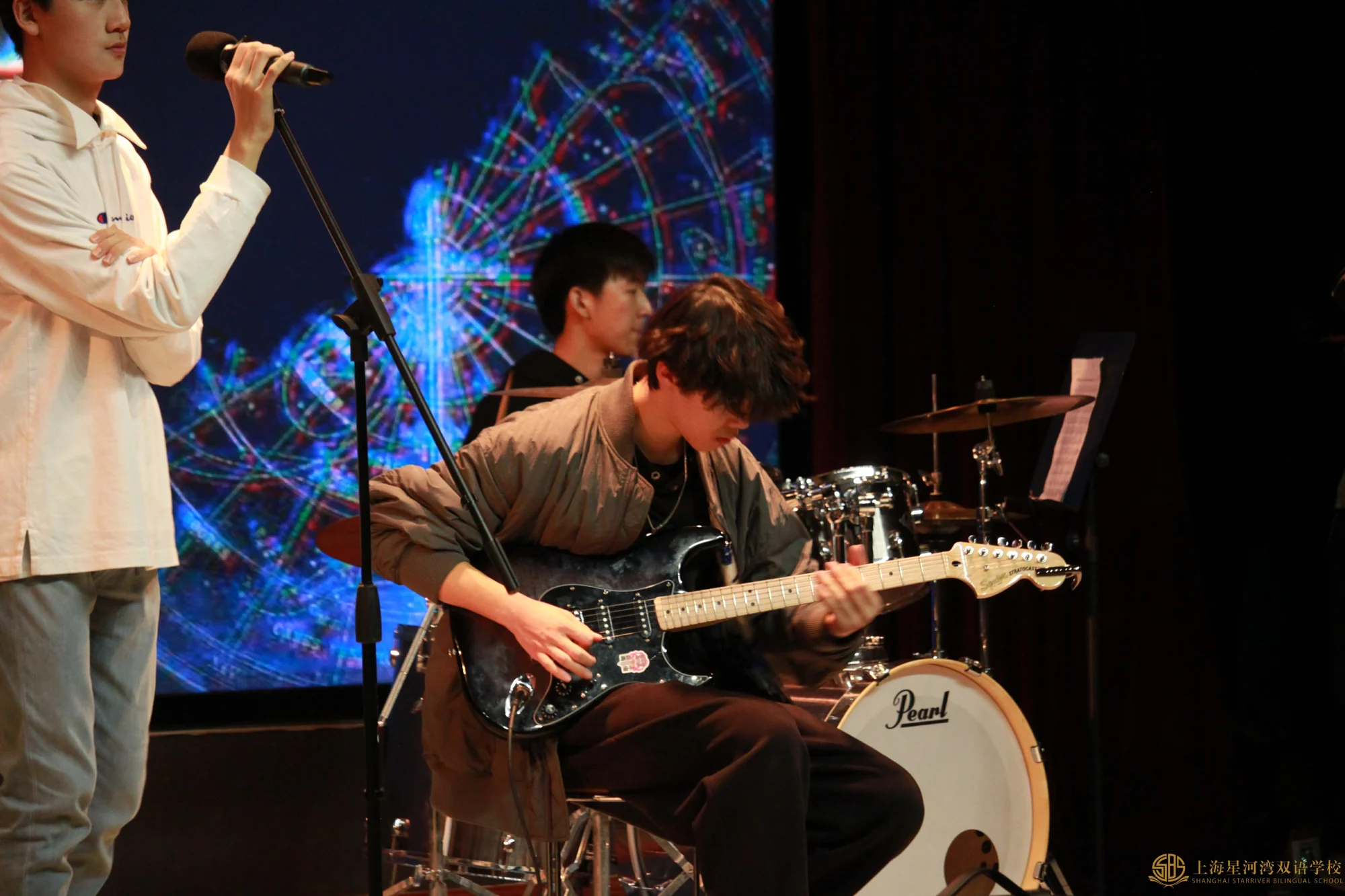
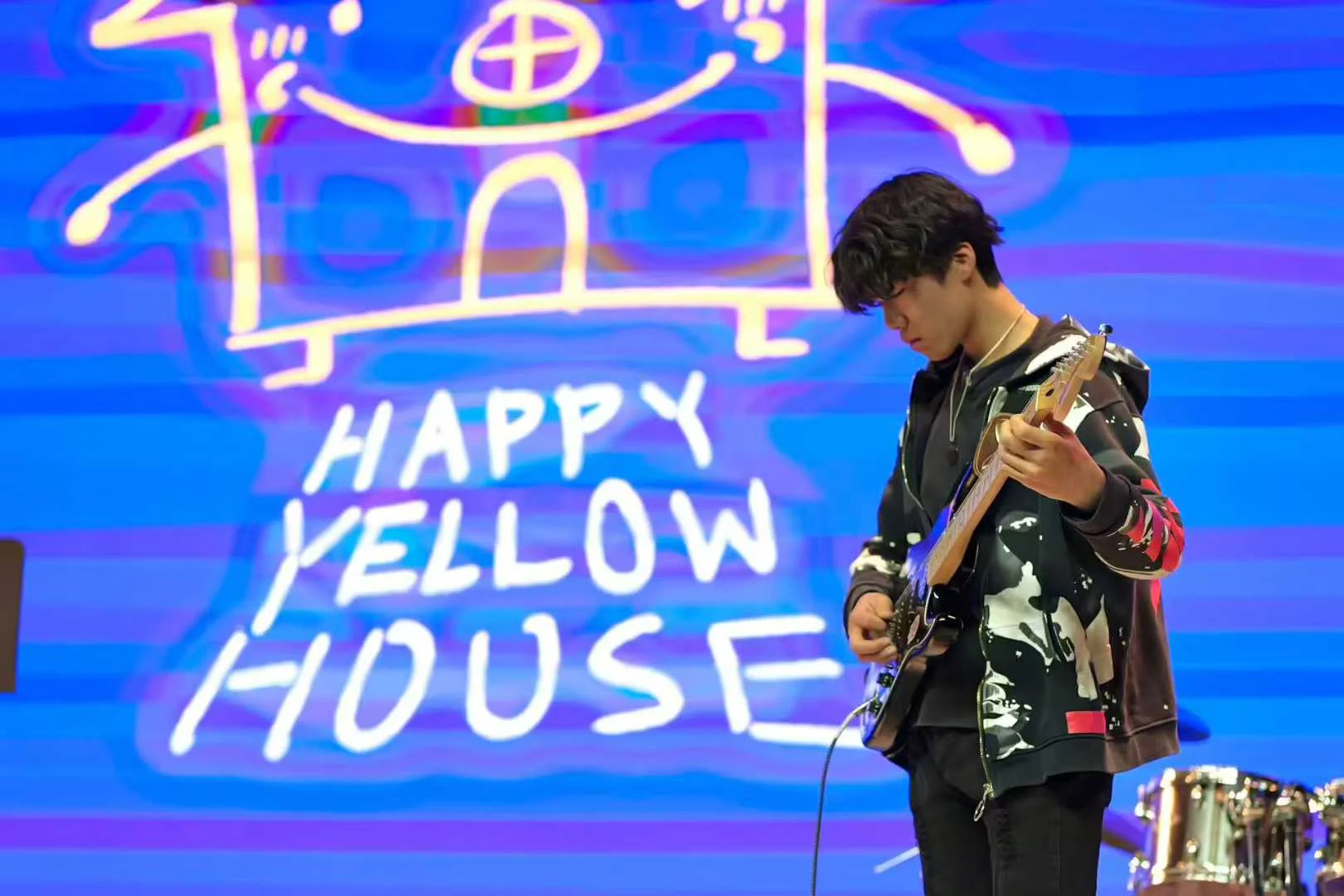
I joined Happy Yellow House with more enthusiasm than skill and spent three years learning that leadership is not being the best player in the room. For me, leadership is about saying “here is what I think” about a composition, a rehearsal, a stage set, and transforming voices and opinions into something real. In these three years, we composed original songs, starred in school concerts, and performed at local live houses. The band became the first place where I experienced belonging without conditions, and where music worked as a shared language rather than a performance of brilliance.
Read the storyTwo orchestras
One cellist, two ensembles, a million ways of listening
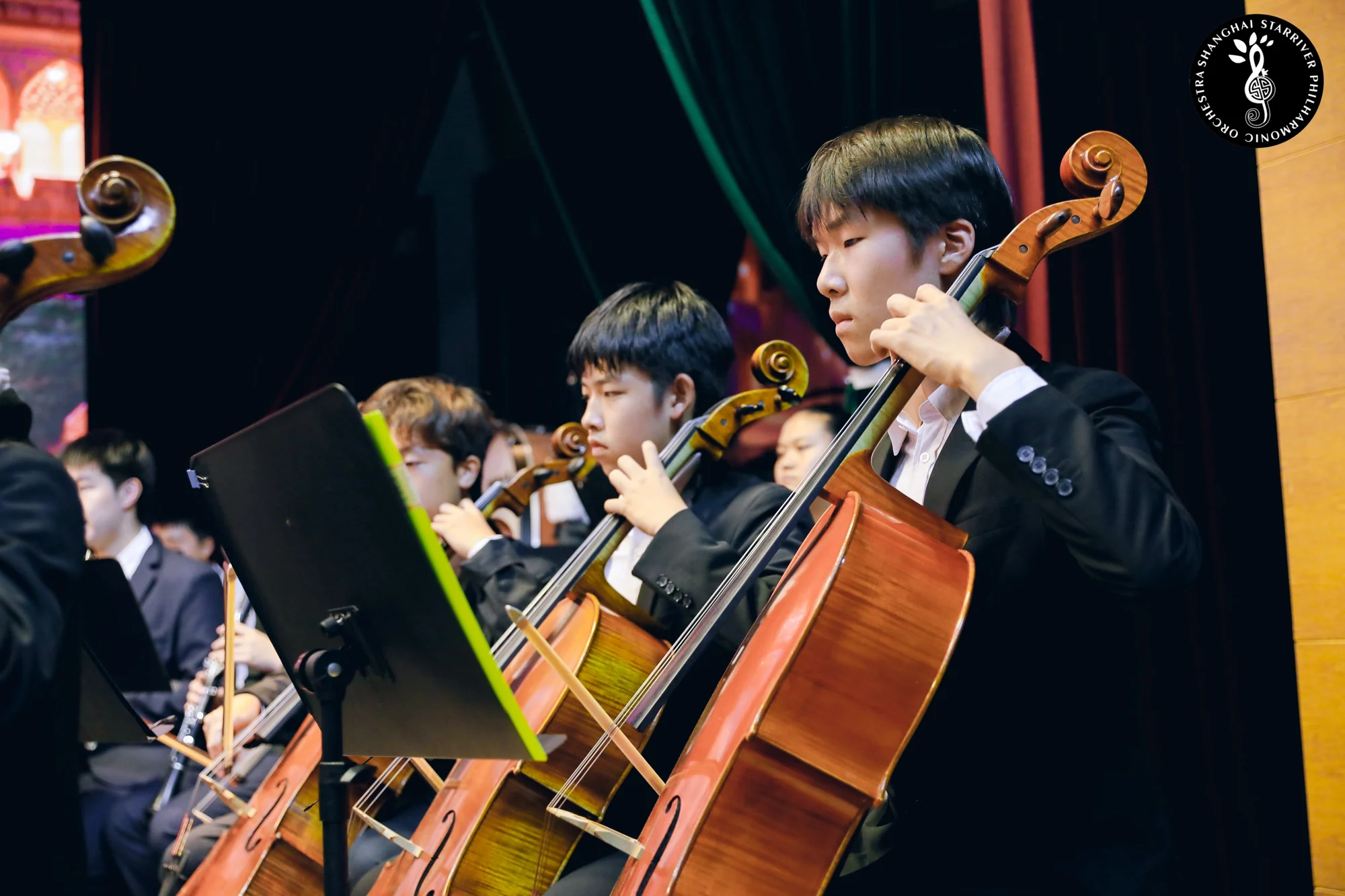
Playing cello in the philharmonic orchestra taught me how to create a voice within a collective symphony, namely, when to project, when to support, and how to stay in harmony through recitals, music festivals, and municipal concerts. Founding the chamber orchestra reversed the problem. A smaller group exposes every entrance, so I moved from playing my part eloquently to helping to rebuild the piece—deciding which voice carries the melody, where the breathing spaces go, and when restraint matters more than emotion. Between the swell of the orchestra and the hush of the chamber group, listening changes scale but never stops being the key.
Read the storyThe Weight of Narratives
Mock trial
The witness nobody believed, and the testimony that changed the round
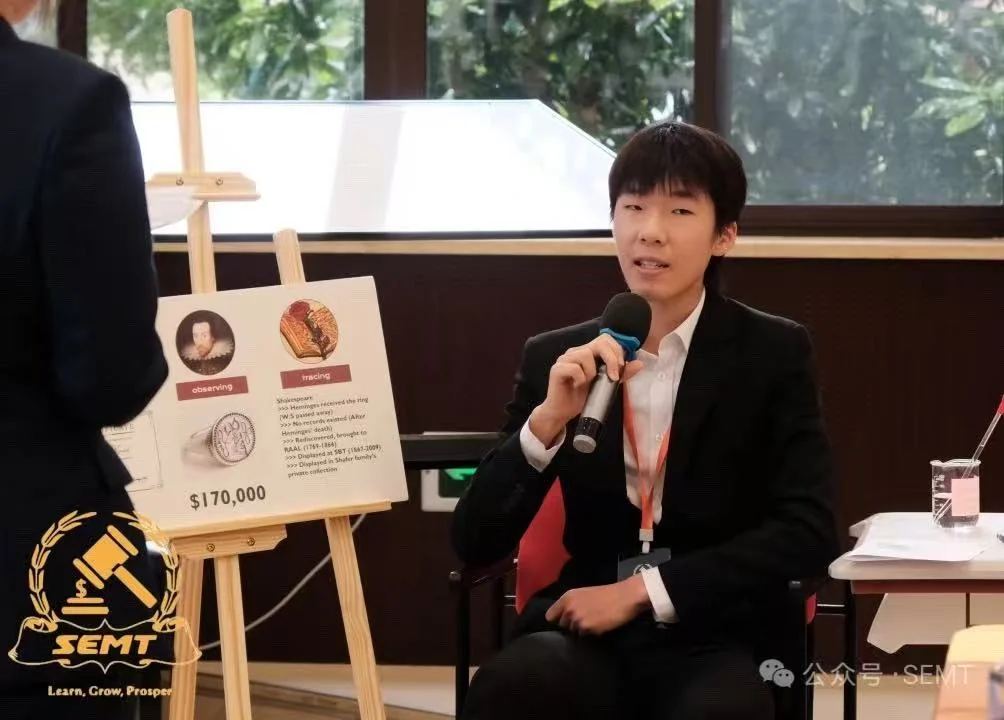
Outstanding witness, two-time municipal champion, national finalist, but more than that. I learned from mock trial that persuasion is not volume. It is the next question, the next cross, the next evidence that makes everyone in court lean forward. You cannot invent facts; you can only choose which true thing to say. Organizing practice scrimmages and leading tournament rounds made that a habit of perspective-taking under pressure—modelling what another person knows, fears, denies, where their certainty has a seam, and how to turn that fatal flaw into a decisive strength.
Read the storyECHO
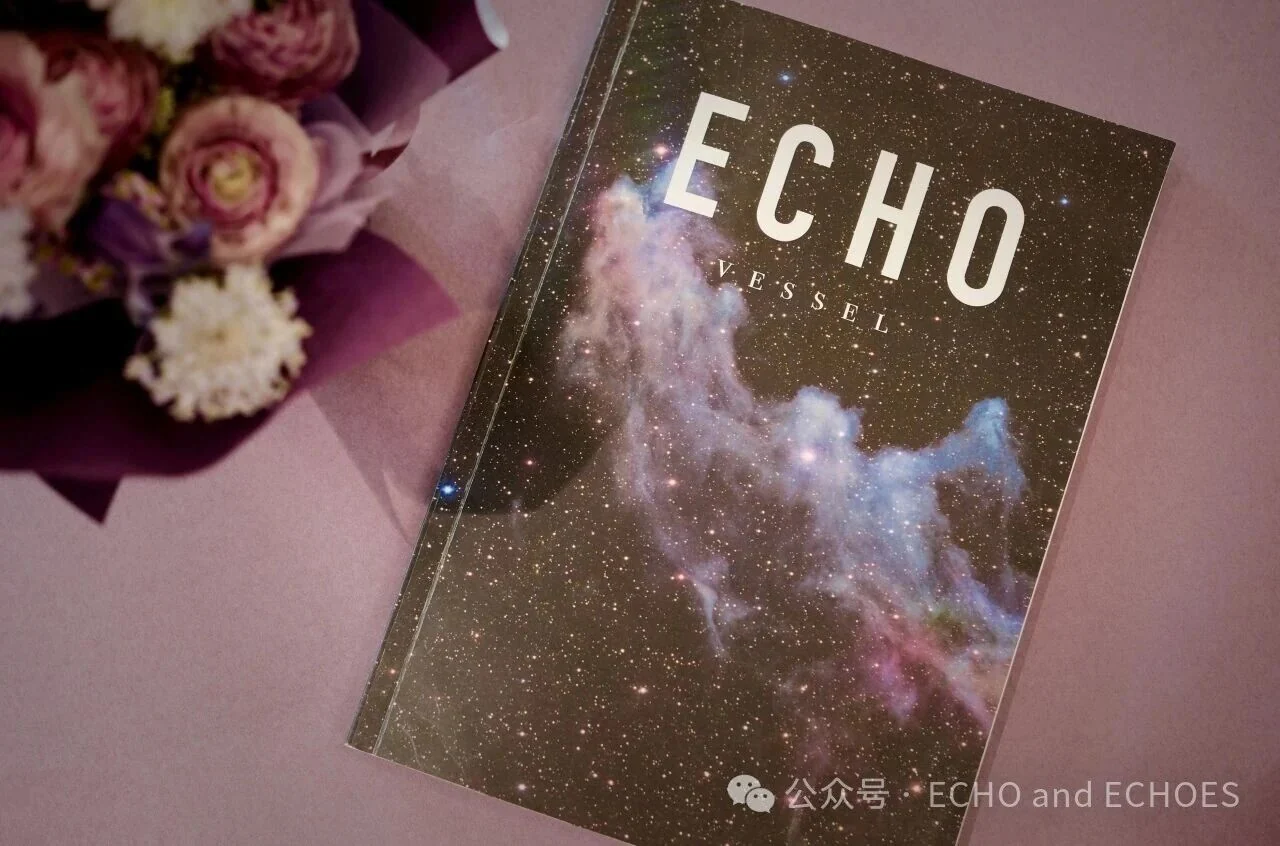
Editing is deciding what a piece needs, not what you would have written
Being an editor meant holding other people’s sentences with care. For over 30 student submissions that we edited, formatted, and published, the visible output is a magazine issue, yet the real input was listening to what a piece was trying to convey and making only the changes that allow it become that. Some submissions required structural surgery, others a single comma removed. Finding the author’s own voice had to become a process a team could trust.
Read the storyThe Chiaroscuro of the Mind
The Shape of Addiction
What addiction looks like when you stop looking at the diagnosis
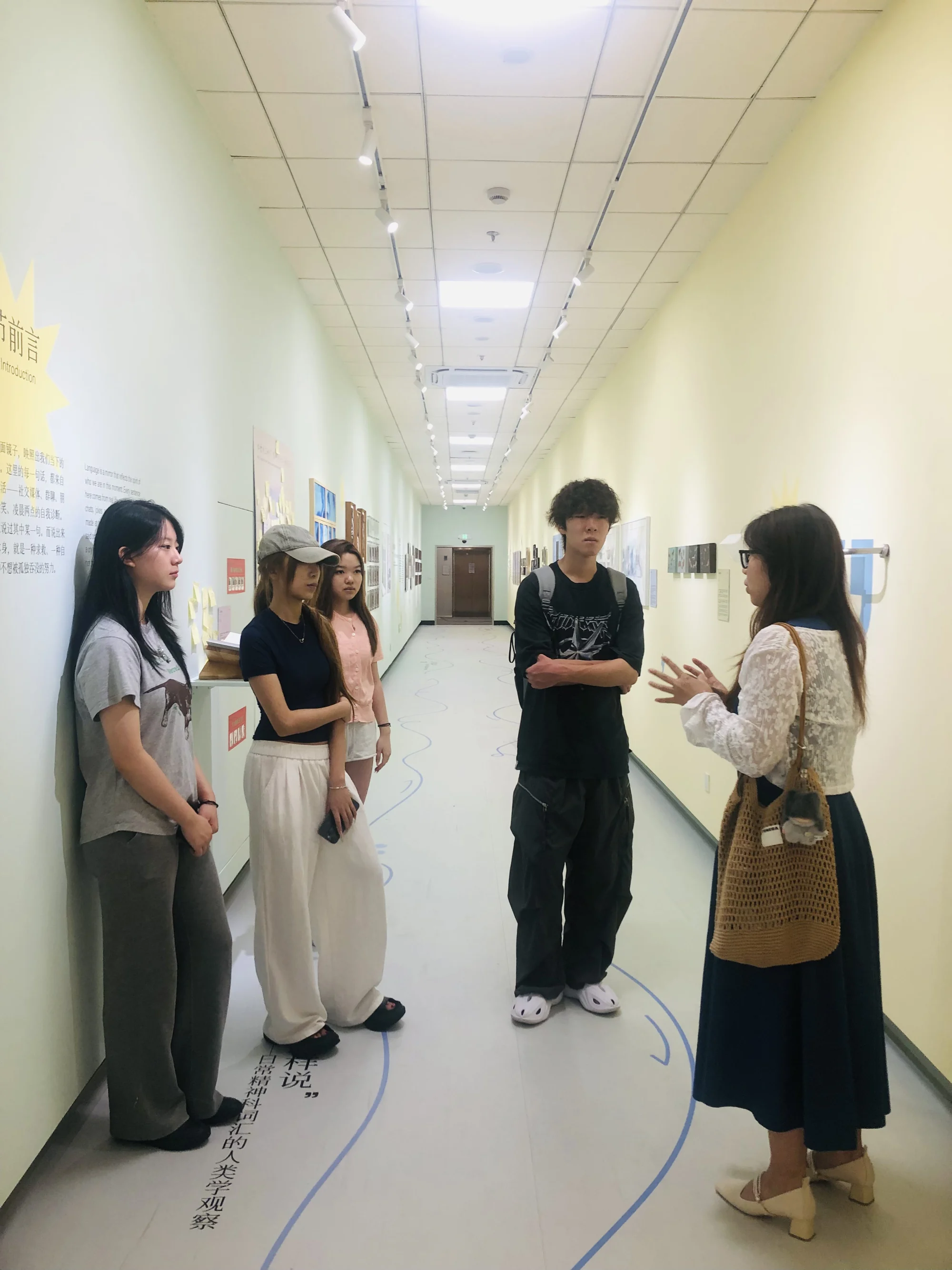
We could have curated a wall of clinical definitions. Instead, our team interviewed doctors, psychiatrists, therapists, social workers, former addicts, and then built an exhibition that allows the public to meet the person before the label. As team leader, I coordinated interviews, visuals, posters, installations, and built our exhibition’s social media presence across large platforms such as WeChat. Through our exhibition, “The Shape of Addiction” we hoped to convey lived stories rather than diagnoses and stigmas. Curation, I learned, is translation.
Read the storyArtwork portfolio
What I cannot say in a paragraph
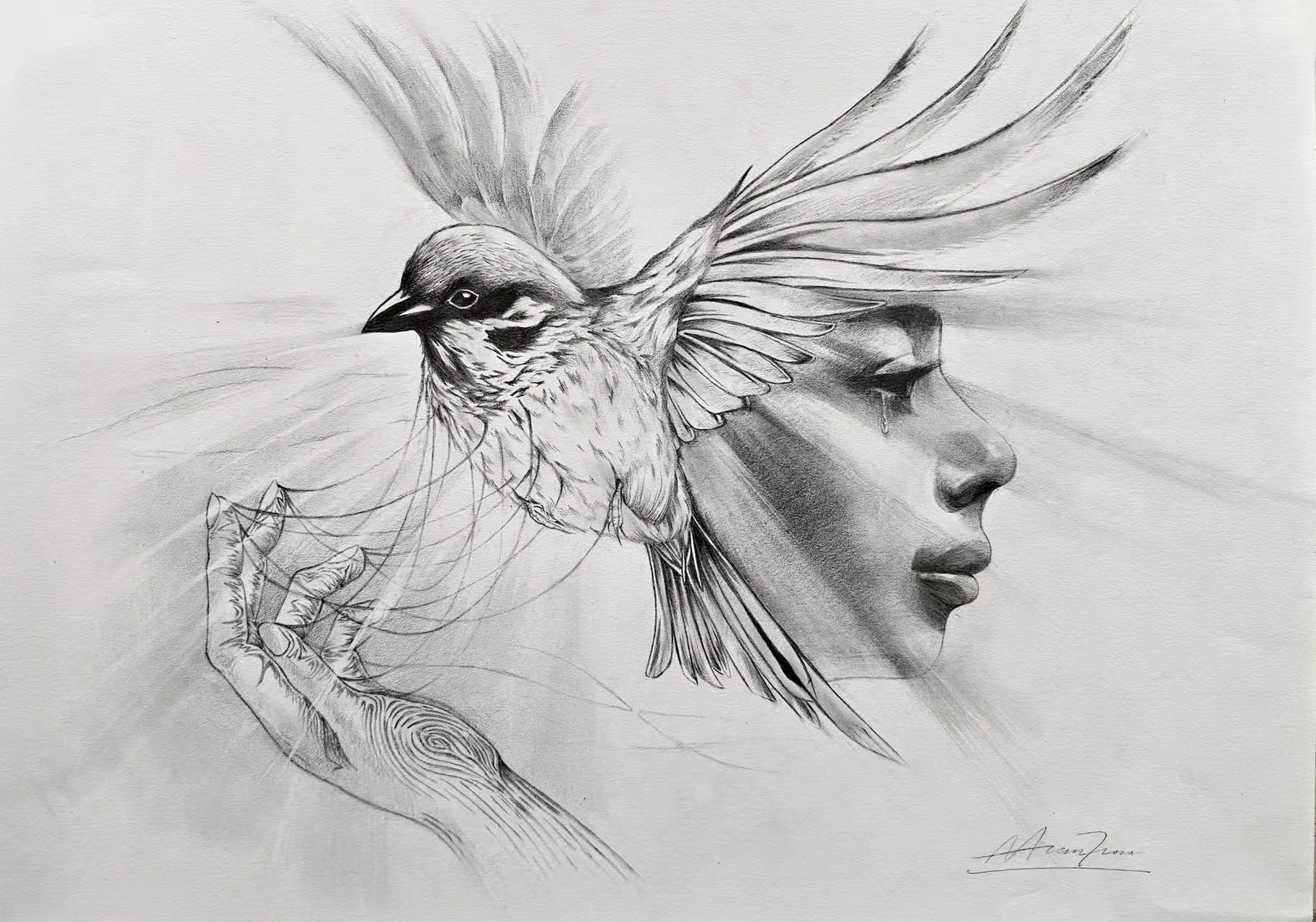
I draw and paint because some expressions refuse to arrive as sentences. In my artworks, I build surreal portraits and symbolic scenes that sit between the body and the mind, the visible and the hidden, the decayed and the reborn. My interest lies less in rendering a concrete subject than in capturing transition—the moment a form begins to merge, dissolve, or take flight, and the texture that makes the change feel tangible. I try to give inner states a visual weight that words or expressions alone cannot carry. These works began as explorations rather than answers—not illustrations of an unspoken language, but the place where language stops being enough.
Read the story